
Your Attention Is the Million Dollars
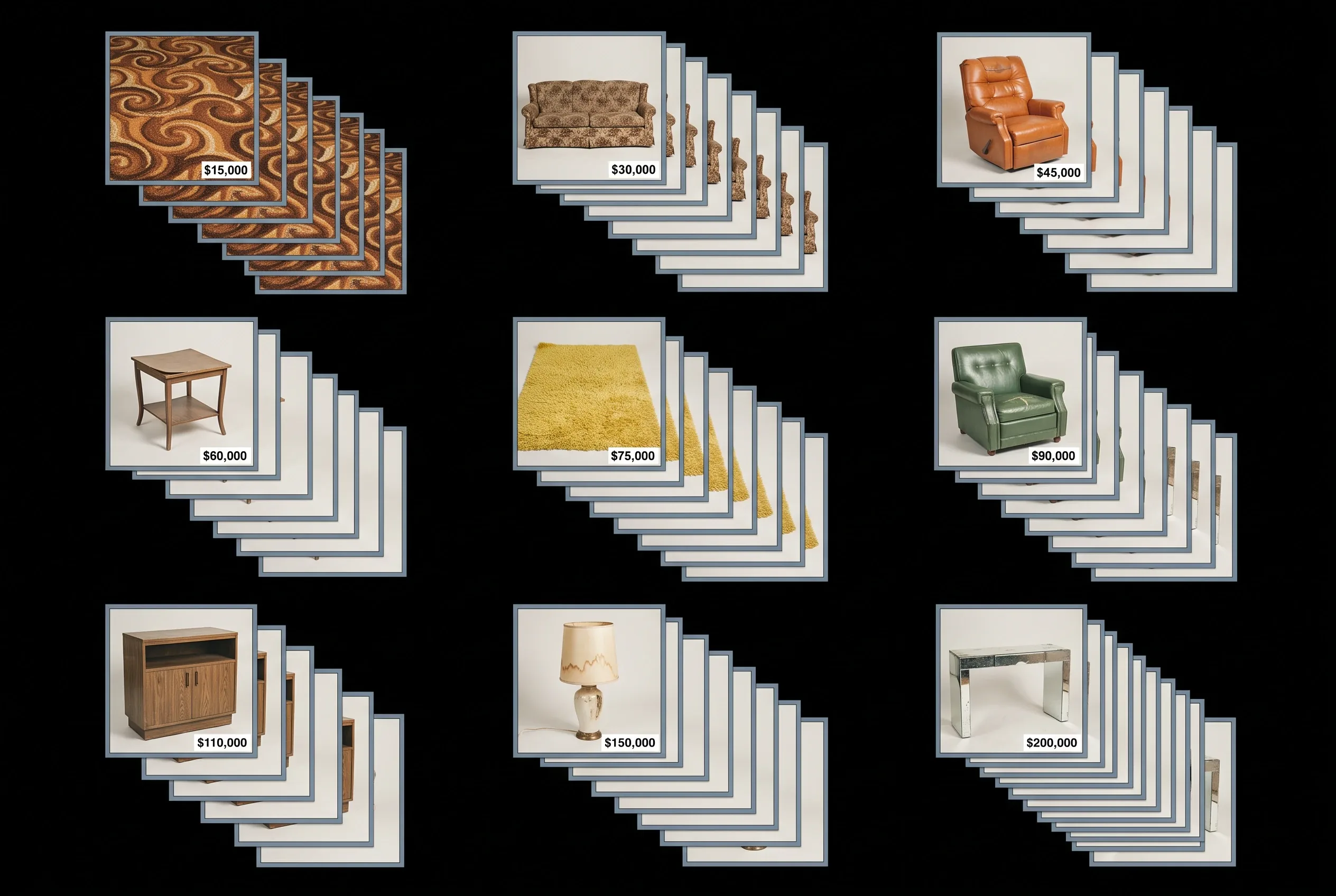
Someone hands you a million dollars and you spend all of it on carpet you find ugly. You did the same thing this morning, before you got out of bed.

I heard this concept somewhere and liked it. Not sure where, but here it goes. Imagine someone hands you a million dollars. Go buy whatever you want, ship it all home.
But instead of buying things you like, you start filling the cart with the ugliest carpet you've ever seen. A table that makes you feel nothing. Furniture that actively repels you. And you keep going, buying more of it, shipping it all back to your place.
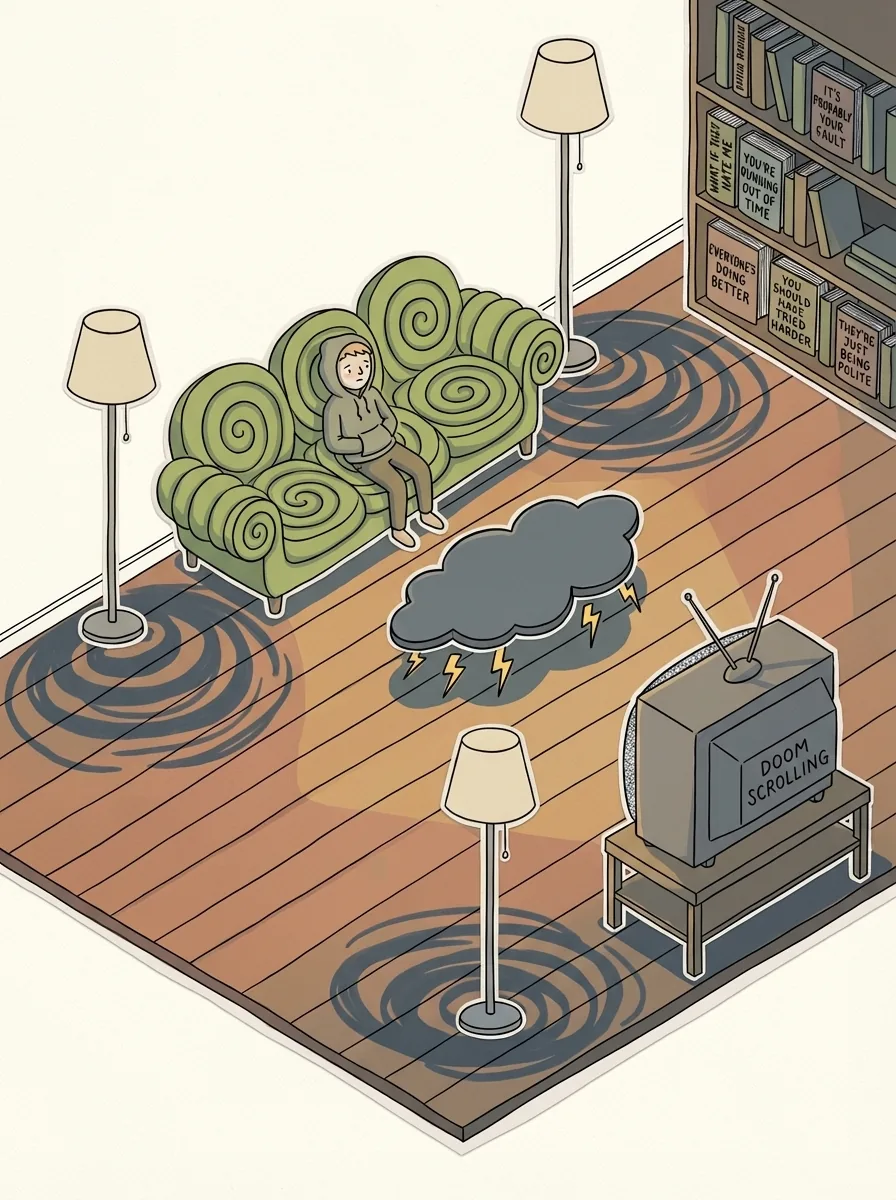
Then you walk through the front door, look around, and go: why does my house feel terrible? Why do I hate being here?
Well. Because you filled it with things you didn't want.
Same for Your Mind
It's the same thing with thoughts. Exactly the same.
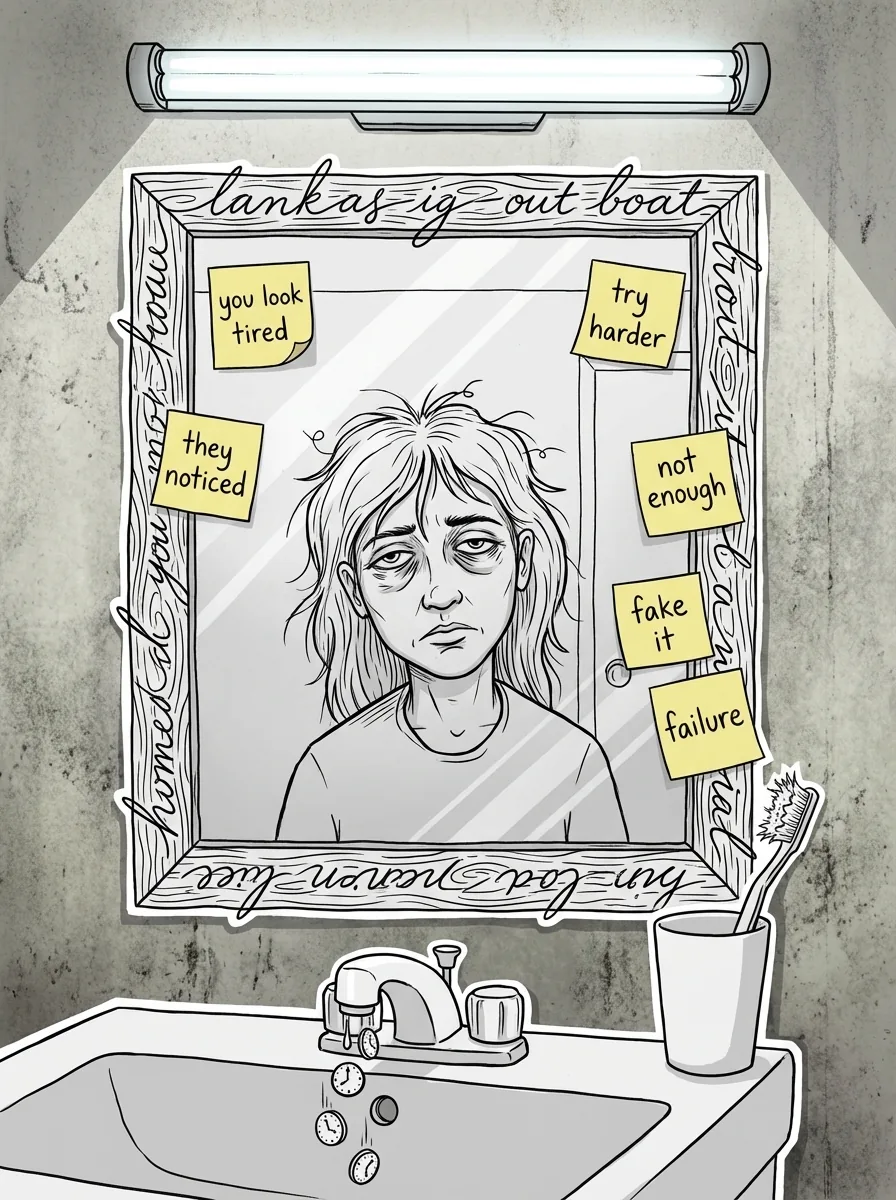
You spend all day saving anxiety for later. Collecting stress. Archiving fear. Running the same worst-case scenarios on repeat, like you're building a library of things that make you worse.
Then you sit down at the end of the day and wonder why you feel heavy.
Why everything feels off. Why the vibes in your own head are bad.
Because you've been shopping for the wrong things.
You've been furnishing your brain with stuff that doesn't serve you, and then being confused when it doesn't feel like a place you want to live.
The Budget Is Real
The reason the metaphor holds up is that attention isn't a figure of speech.
It's a finite resource with a daily balance, and it runs down.
Amishi Jha has spent a career measuring exactly this. Her work in Peak Mind shows attention behaving like a physical system: it degrades under stress, it depletes under demand, and it can be trained back up. It isn't a mood. It's capacity.
Which means the hours are already spent. That part was never up for negotiation.
So Why Does Anybody Buy the Ugly Carpet
If nobody wants it, why does everybody keep putting it in the cart?
Judson Brewer has the best answer I've found. In Unwinding Anxiety he treats worry as a habit loop instead of a character flaw. Trigger, behavior, reward. And the reward is that worrying feels like you're doing something about the thing you're worried about.
That's the trap. You're not buying it by accident. You're buying it because in the moment it feels like "preparation".
Nobody spirals for fun.
They spiral because it looks enough like work to keep funding it.
Rehearsing Is Not Thinking
Ethan Kross calls the loop chatter, the inner voice running the same track and arriving nowhere. His work splits reflection, which processes something and changes what you do next, from rumination, which reruns the tape and changes nothing except how you feel.
The two are almost impossible to tell apart while you're inside them. They feel identical.
The tell shows up afterward.
Reflection produces a decision.
Rumination produces another lap.
Sometimes the Worry Is Doing Something
Let's look at the other side, because the clean version of this can be wrong.
Some worry is load-bearing.
Anxiety about a deadline gets the thing shipped. Unease about a client is usually pattern recognition showing up before you can explain it.
Vigilance exists because it worked.
So "stop having bad thoughts" isn't the point. That's the bumper sticker.
The line isn't between good thoughts and bad ones. It's between a thought that ends in an action and a thought that ends in more of itself.
The Same Amount of Time Either Way
The part I keep coming back to is that it's the same hours no matter what.
The hours you spend spiraling are the same hours you could spend thinking about what you want to build.
How you want to help. What skills you want to develop. Who you want to work with.
Not in a "just think positive" way.
I mean the actual reallocation of mental energy toward things that have a net positive effect on your life. It's a resource problem.
I think about this a lot because building is basically all I do.
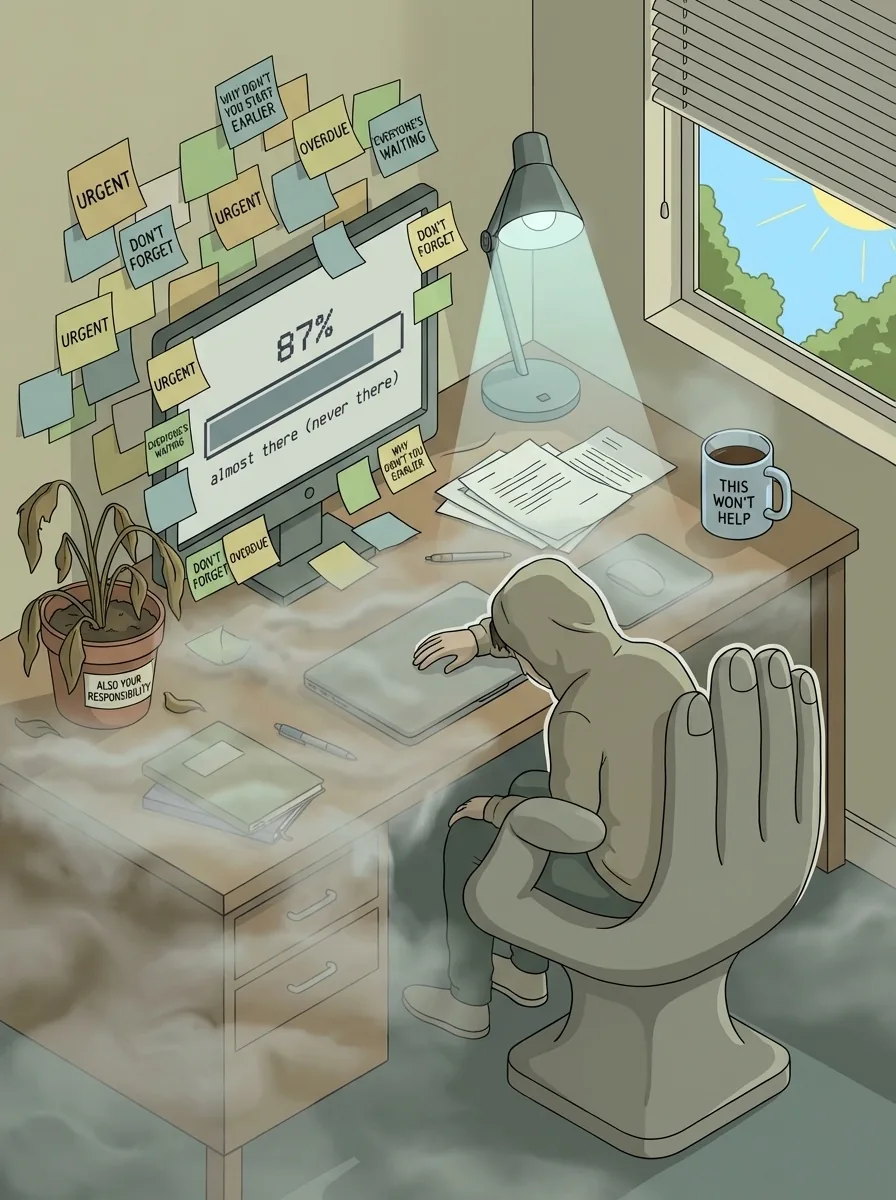
Systems, projects, ideas, whatever. And the mental overhead of worrying about stuff that isn't productive isn't neutral. It actively takes from the budget.
Every hour spent on stress is an hour not spent on the work. And the work is the thing that actually changes how you feel. Not the worrying.
Put It Back on the Shelf
Anyway. I don't think you can eliminate bad thoughts entirely, and that was never the point. Honestly.. I've never managed it, and I'm suspicious of anyone who says they have.
But you can notice when you're at the store picking up another thing you don't want. Not the thought, the purchase. That's a much smaller target: catching the moment you've picked something up and started carrying it toward the register.
Then you put it back. Not dramatically. You just set it down.
Because a house full of things you hate is still a house you furnished. Nobody delivered it. Every piece came home because you carried it in.
Which sounds like blame and isn't. It's the good news hiding in the bad news, because a thing you're doing is a thing you can do differently.
Go look at the room. That's the receipt.
> More from the Index
All posts →


> Get posts like this
Keep the thread going.
New pieces land here first. No schedule, no noise, just the ideas worth the room in your inbox.
- Essays on attention, craft, and building
- What I got wrong, with the receipts
- The occasional teardown of something I built
Unsubscribe anytime · No spam
.gif)
> ReturnSend
Subscribe Now.
Wake up curious. The work, the art, and the ideas underneath. Occasional, personal, and only when there's something worth sending.